Similar Posts
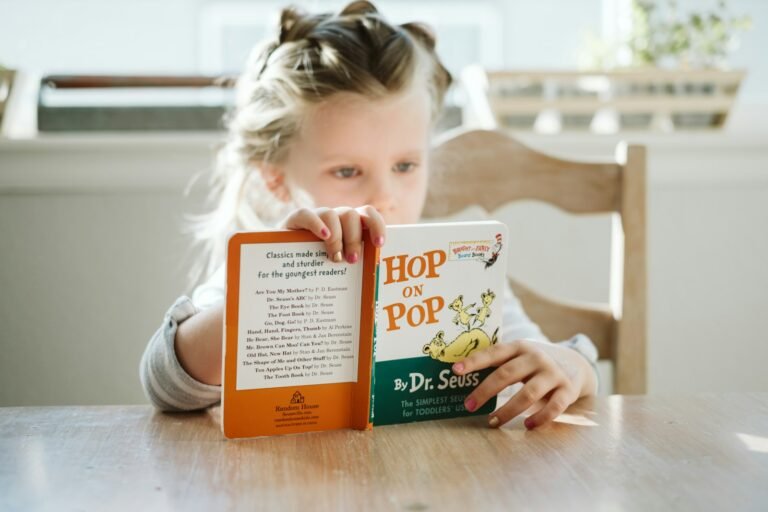
6 Poetry Books Every Kid Should Grow Up With
From Sidewalks to Wonder Poetry is where imagination first learns to speak. For kids, it’s not just about rhymes and rhythm — it’s about curiosity, courage, and finding magic in the everyday. The best poetry books for children don’t just teach them words; they teach them to see. Whether it’s a stick that becomes a…
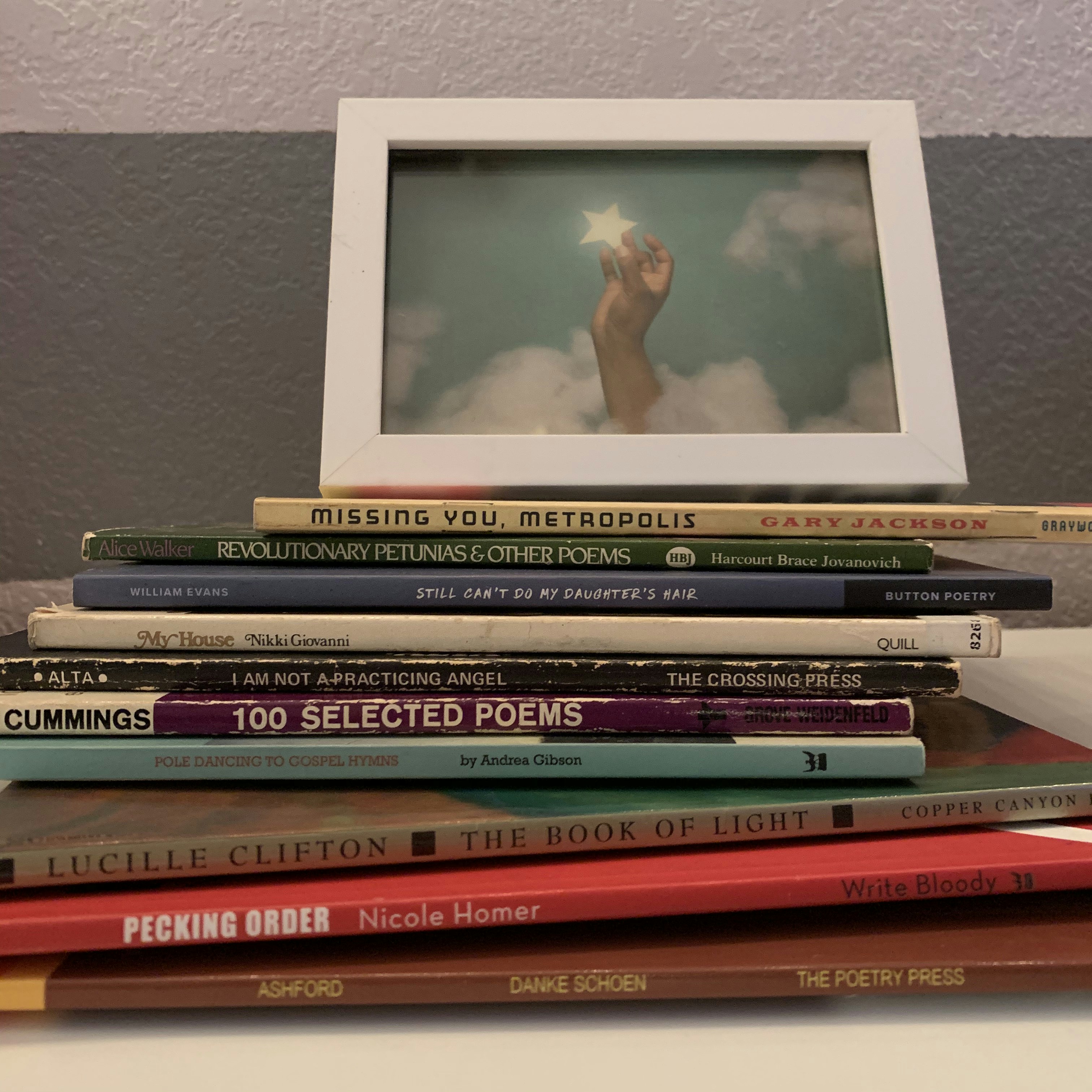
The 10 Types of Poetry Books Every Reader Should Know (A Simple Guide)
You’ve decided to dive into poetry – wonderful! You walk into a bookstore (or browse online), eager to find your next great read. But then you’re faced with terms like “anthology,” “selected poems,” “chapbook,” and “verse novel.” What do they all mean? And which one is right for you? Navigating the world of poetry books…
Exploring the Depths of Emotion: A Review of ‘I Do Know Some Things’ by Richard Siken
Introduction to Richard Siken and His Work Richard Siken is a distinguished poet whose work is celebrated for its vivid imagery and emotional intensity. Born in 1971 in New York, Siken grew up in a world influenced by various literary traditions that would shape his unique voice. He began writing poetry while studying at the…
How to read poetry: 4 Exercises
To truly engage with poetry, it is essential to understand its foundational elements. Poetry, at its core, is a form of literary expression that utilizes concise language and rhythm to evoke emotions and imagery. Familiarizing oneself with key components such as meter, rhyme, imagery, and themes can significantly enhance one’s reading experience. Meter in poetry…
Crafting the Perfect Title: The Art of Poetic Naming
The Significance of a Poetic Title The title of a poem serves as the first point of interaction between the reader and the text, wielding significant influence over the audience’s initial impressions and engagement. A well-crafted title can encapsulate the essence of the poem, providing a glimpse into the thematic core and emotional landscape within…
A Beginner’s Guide to Reading Poetry Books (And Actually Enjoying Them)
Let’s be honest: for many of us, the last time we seriously read a poem was in a classroom. We were told to find the “hidden meaning,” dissect the rhyme scheme, and figure out what the author was really trying to say. It often felt more like a puzzle than a pleasure. If you’ve ever…